UK Gambling Regulators Eye Fee Increases: DCMS Consultation Tackles Funding Crunch for Illegal Market Fight
Written by Eden Jung · Mar 20, 2026

UK Gambling Regulators Eye Fee Increases: DCMS Consultation Tackles Funding Crunch for Illegal Market Fight
The Launch of the Consultation in March 2026
Back in March 2026, the UK government's Department for Culture, Media and Sport (DCMS) kicked off a public consultation on shaking up fees for the Gambling Commission; this move aims straight at plugging funding shortfalls driven by climbing operational costs and fresh regulatory burdens, particularly those tied to cracking down on the illegal gambling market. Operators across the board—from online platforms to brick-and-mortar casinos—stand to feel the pinch since the Commission relies almost entirely on these fees rather than taxpayer money, a model that's kept it humming since its inception but now strains under expanded duties.
What's interesting here is how the timing aligns with broader pushes in the gambling sector; figures from the consultation reveal that rising expenses have outpaced current fee structures, leaving the regulator short by millions annually, and that's before factoring in new mandates like monitoring illicit operators who skirt licenses entirely. People in the industry have watched costs balloon—think staff salaries, tech upgrades for surveillance, and compliance tools—while revenue from fees hasn't kept pace, creating a gap that demands action.
Breaking Down the Three Fee Increase Options
The consultation lays out three distinct paths forward, each calibrated to raise extra funds without tipping into outright overreach; option one proposes a flat average increase of 30 percent across all fee categories, which would pull in an additional £8.7 million yearly, enough to cover projected deficits through 2028 and beyond. But here's the thing: that straightforward hike targets everything from application fees to annual levies, hitting operators proportionally based on their size and activity levels.
Option two dials it back to a 20 percent average uplift, a more measured approach that still shores up finances but leaves less buffer for unexpected costs; researchers tracking regulatory funding note this could suffice for core operations while demanding tighter budgeting elsewhere. Then there's the preferred hybrid in option three—a 20 percent general increase blended with a 10 percent ringfenced levy specifically earmarked for disrupting illegal gambling; this structure ensures dedicated cash flows to high-priority enforcement, like partnering with law enforcement on offshore threats or bolstering digital tracking systems.
- Option 1: 30% average increase, generating £8.7m extra annually.
- Option 2: 20% average increase, balancing essentials without excess.
- Option 3 (Preferred): 20% general + 10% ringfenced for illegal market efforts.
Turns out, the hybrid stands out because it ties fees directly to outcomes; data from prior consultations shows ringfenced funds accelerate targeted initiatives, as seen in past affordability checks where dedicated budgets sped up implementation by months.
How These Changes Hit Licensed Operators
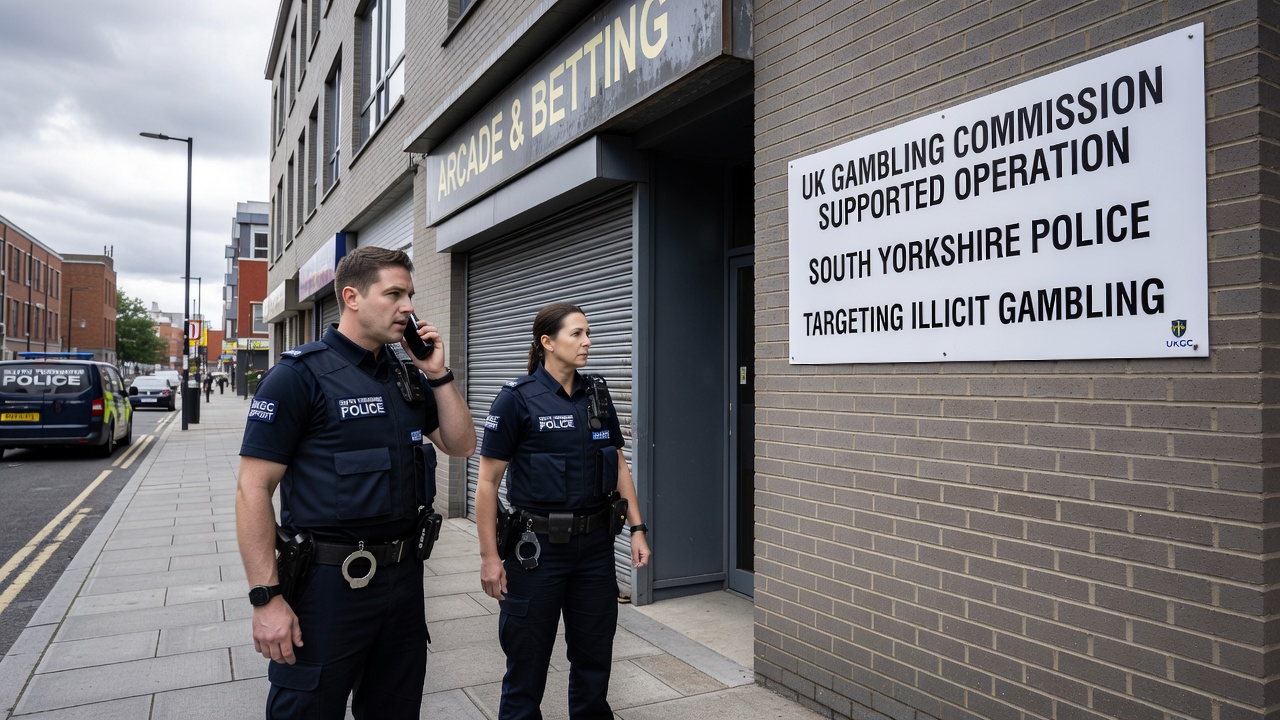
Casinos and all other licensed gambling operators face uniform application of these hikes since fees scale with gross gambling yield and number of premises; for instance, a large online casino operator might see annual fees jump by tens of thousands under the 30 percent scenario, while smaller venues pay less but still absorb proportional rises that could squeeze margins already tested by economic headwinds. Experts who've modeled these impacts point out that the Gambling Commission, funded 99 percent by industry levies, passes these costs cleanly without dipping into general taxation, a setup that's drawn praise for its self-sufficiency but criticism when fees spike.
And yet, the rationale boils down to fairness; illegal operators evade fees entirely, undercutting legitimate businesses by dodging taxes and protections, so bolstering the Commission's arsenal through ringfenced money makes sense for leveling the field. One case from recent years involved a coordinated takedown of unlicensed sites siphoning millions from UK players; such operations demand resources that current funding barely covers, hence the push now.
Implementation looms for October 1, 2026, giving operators over a year to adjust; during that window, the consultation runs until mid-2026, inviting feedback from stakeholders who often weigh in on affordability for smaller players. Figures indicate the average operator fee could rise from current baselines—say £10,000 annually for mid-tier firms—to £13,000 under the hybrid, though exacts vary by category like remote operating licenses or bingo halls.
Background on the Gambling Commission's Funding Model
Since the Gambling Act 2005 set the stage, the Commission has operated on a fee-funded basis, collecting from licensees to cover everything from licensing checks to ongoing oversight; this model evolved with the 2014 shift to risk-based regulation, ramping up costs as scrutiny intensified on problem gambling and money laundering. Observers note that post-pandemic surges in online activity further strained budgets, with staff numbers climbing 20 percent in recent years to handle complaint volumes that doubled.
But here's where it gets interesting: new duties under the 2023 Gambling White Paper—think stake limits and enhanced data reporting—pile on expenses without matching fee adjustments, creating the £8.7 million shortfall projected for the hybrid option's coverage. According to the official consultation document, operational costs rose 15 percent year-over-year alone, driven by inflation and tech investments like AI for fraud detection.
Take one analyst who crunched the numbers: they found that without hikes, the Commission might cut corners on illegal market pursuits, allowing black market growth that already claims 5-10 percent of UK gambling spend; that's lost revenue for legit operators too, since punters chase better odds offshore.
Stakeholder Reactions and Consultation Process
Industry bodies have started chiming in, with some calling the 30 percent option steep but acknowledging the illegal threat's urgency; others favor the hybrid for its transparency, as ringfenced portions come with reporting on spends like enforcement raids or player education campaigns. The consultation process itself unfolds transparently—open to operators, trade groups, and public from March 2026 through summer, with responses shaping the final decision expected by autumn.
People who've navigated past consultations often discover that targeted feedback sways outcomes; for example, in 2022's levy tweaks, operator input trimmed proposed rises by 5 percent across categories. So now, with the ball in their court, licensees prepare detailed submissions highlighting pass-through costs to consumers or innovation investments that could offset burdens.
It's noteworthy that casinos, despite fewer in number, pay hefty fees due to high yields; a typical London venue might front £50,000-plus yearly, set to climb under any option, yet this funds protections like age verification tech that's curbed underage access by 40 percent per recent audits.
Long-Term Implications for the Sector
Looking ahead, these fee changes slot into a regulatory landscape tightening grips on sustainability; higher funds mean more resources for the Commission's 1,500-plus staff to tackle affordability interactions, where operators must prove customer safety amid 400,000 problem gamblers estimated in the UK. Data shows funded initiatives cut harm rates in pilot areas, suggesting the investment pays dividends beyond mere compliance.
Yet smaller operators worry about survival, as fixed costs like these amplify pressures from advertising curbs and bonus restrictions; still, the model's resilience shines through, having weathered Brexit and COVID without collapse.
Wrapping Up the Fee Consultation Story
In the end, this DCMS consultation from March 2026 positions the Gambling Commission to confront its fiscal realities head-on, with the hybrid option emerging as frontrunner to fund both daily ops and the shadowy illegal market battle; operators gear up for October 2026 changes, armed with a year to voice concerns and adapt balance sheets. As the process unfolds, the sector watches closely, knowing well-funded regulation spells stability for all who play by the rules.