UK Advertising Bodies Roll Out AI System to Curb Youth-Targeted Gambling Posts on Social Media
Written by Eden Jung · Jun 10, 2026

UK Advertising Bodies Roll Out AI System to Curb Youth-Targeted Gambling Posts on Social Media
The Committee of Advertising Practice and the Advertising Standards Authority have introduced a fresh compliance drive aimed squarely at social media gambling material that risks drawing in those under 18. The initiative centers on proactive scanning through an upgraded monitoring tool, and it takes effect on June 11, 2026, with direct support from major platforms that host the content. This approach builds on existing CAP Code rules, particularly the provision covering gambling promotions that must not appeal to children or young people. Operators who fail to meet the standards will receive removal orders right away, while repeated or serious breaches can trigger referrals straight to the Gambling Commission for further action. The timing aligns with preparations for high-profile events including the 2026 World Cup, when betting activity typically rises across digital channels.How the Monitoring System Operates
The ASA plans to deploy its Active Ad Monitoring System at full capacity from the June date onward. The tool uses artificial intelligence to review posts in real time across partnered platforms, identifying material that appears likely to attract younger audiences through themes, imagery or placement. Once flagged, the content moves into a compliance review process that can result in swift takedown instructions without waiting for public complaints.
Platform partnerships allow the system to act directly within the hosting environment, cutting down on delays that previously occurred when reports traveled through multiple channels. Data from the monitoring feeds into enforcement decisions, and the same information supports ongoing dialogue with operators about acceptable creative approaches.Focus on Illegal and Black-Market Advertising
Beyond licensed operators, the initiative also addresses content from unlicensed or black-market sources that continues to appear on social feeds. These promotions often bypass standard checks and can reach UK users despite existing blocks. The ASA intends to use the same AI scanning capability to spot and escalate such material, passing details to the Gambling Commission where criminal activity is suspected.
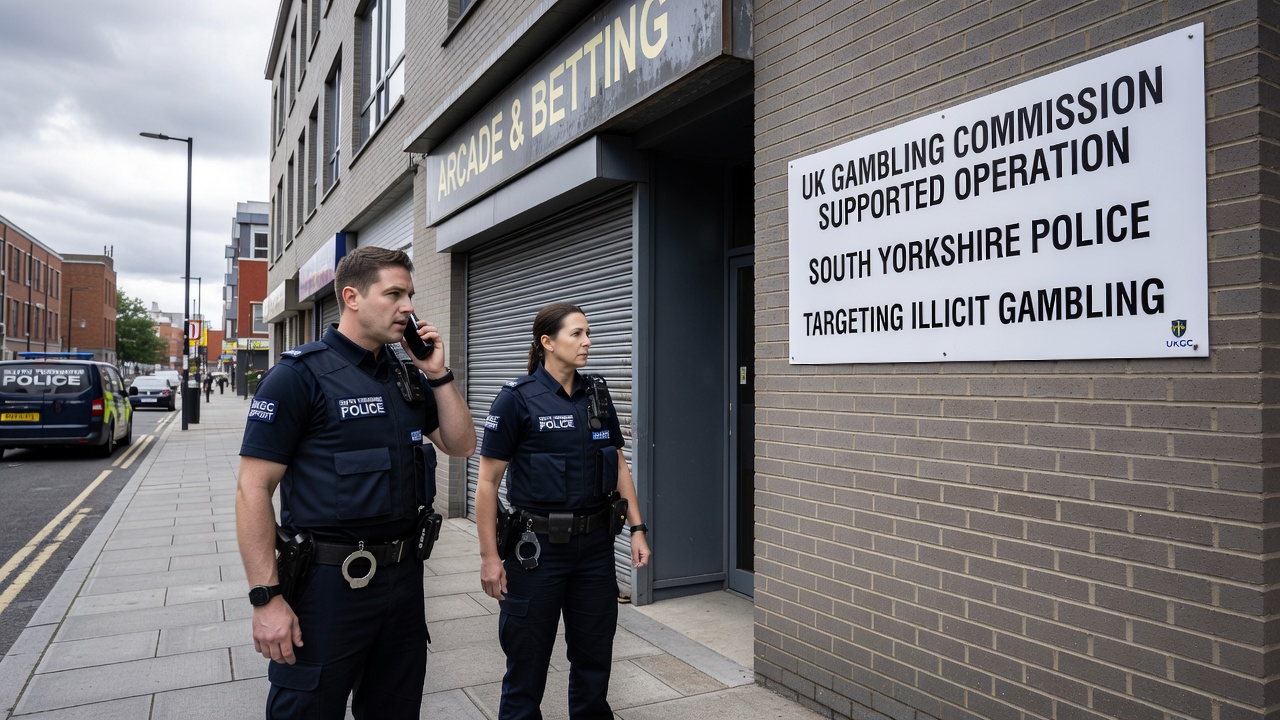 Observers note that the dual focus on both licensed and illegal advertising reflects broader patterns seen in previous enforcement rounds, where black-market promotions sometimes filled gaps left by stricter rules on regulated brands. The new system aims to close those gaps earlier in the content lifecycle.
Operator Responsibilities and Next Steps
Companies running gambling promotions on social media must ensure their posts comply with the full set of CAP rules on under-18 appeal, including restrictions on characters, colors, and language that might resonate with younger viewers. From June 11, 2026, the proactive nature of the monitoring means operators will encounter checks even when no complaint has been lodged. Early briefings from the ASA encourage businesses to audit existing campaigns and adjust creative elements ahead of the rollout date.
Those who receive removal orders are expected to act within tight timeframes to avoid escalation. The process includes opportunities for operators to provide context or evidence of compliance, yet the emphasis remains on rapid resolution to limit exposure to the target audience.
Connection to Major Sporting Events
The announcement highlights the approach of the 2026 World Cup as one driver for tighter oversight. Past tournaments have coincided with spikes in gambling-related social media activity, and regulators have recorded increased complaints during those periods. By activating the enhanced monitoring system several months in advance, the ASA and CAP seek to establish clearer boundaries before attention intensifies around the event.
Similar patterns appear around other major fixtures, and the framework developed for this initiative is designed to remain in place beyond any single competition. The goal is consistent application rather than reactive spikes in enforcement tied to calendar events.
Conclusion
The June 11, 2026 start date marks a shift toward automated, platform-supported oversight of gambling content on social media. By combining AI scanning with established partnerships and clear referral pathways to the Gambling Commission, the Committee of Advertising Practice and the Advertising Standards Authority are positioning the new system to handle both routine compliance and emerging risks from unlicensed promotions. Operators now have a defined window to align their campaigns with the updated expectations ahead of heightened activity around major sporting occasions.