Guardian Probe Reveals Unlicensed Casino Web Luring UK Punters Past GamStop Barriers
Written by Quinn Peters · Apr 4, 2026

Guardian Probe Reveals Unlicensed Casino Web Luring UK Punters Past GamStop Barriers
Unmasking the Network Behind the Screens
A recent Guardian investigation, published in early April 2026, spotlighted a sprawling operation of at least eight unlicensed online casinos—names like MyStake, Velobet, and Goldenbet among them—that have been pulling in UK gamblers who’ve signed up for the GamStop self-exclusion scheme, those digital platforms drawing crowds despite lacking UK licenses, and experts note how this setup exploits gaps in oversight, allowing sites licensed elsewhere to flood the market with aggressive marketing.
Turns out the masterminds trace back to Santeda International, a company tied through Upgaming AG to Georgian businessmen, all operating under a Curaçao gambling license that doesn’t bind them to stringent UK rules on player protection or addiction safeguards; observers point out that while Curaçao approvals are common in the offshore world, they often fall short when UK players get hooked, especially those trying to stay away via GamStop, the national self-exclusion tool meant to block access across licensed sites.
What's interesting here is the sheer scale: data from November 2025 through January 2026 shows these sites racking up 2.3 million unique UK visitors each month, figures that researchers pulled from traffic analytics, revealing how affiliates—those promotional partners—play a key role, bombarding social media and search results with ads promising big wins or easy bonuses, tactics that skirt UK advertising restrictions since the sites themselves aren't regulated here.
How the Bypass Works and Why It Hooks
GamStop users, those who've voluntarily locked themselves out from UK-licensed operators for periods ranging from six months to five years, find themselves still able to sign up on these foreign platforms because GamStop doesn't reach offshore casinos; one case highlighted in the probe involved a gambler dropping £23,000 in a short span, losses that piled up fast amid high-stakes slots and table games, and that's not isolated—stories like this surface repeatedly, underscoring the tool's limits against non-UK entities.
Affiliates turbocharge the pull, with networks of influencers and websites pushing tailored offers like deposit matches or free spins exclusively for GamStop exiles, phrases such as "GamStop-free zones" popping up in promotions that experts say prey on vulnerability; but here's the thing, these tactics don't just lure—they retain, through features like rapid withdrawals or VIP perks designed to keep play going, even as debts mount and lives unravel.
And then there's the tragic side: the investigation linked one such site to a gambler's suicide in January 2026, a stark reminder of gambling's darker edge, where unchecked access amplifies harm for those already signaling distress via self-exclusion; families and support groups have long warned about this loophole, yet regulatory focus has lagged, leaving thousands exposed month after month.
Corporate Trails and Offshore Ties
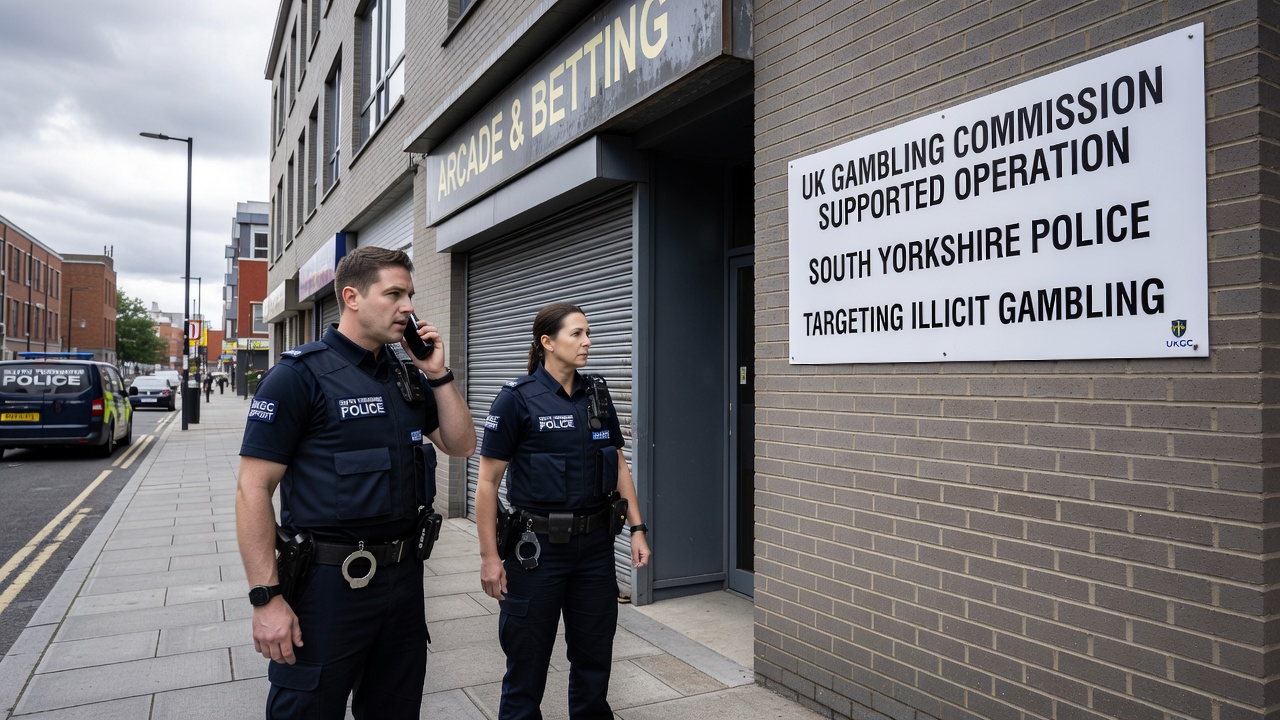
Digging deeper, Santeda International emerges as the hub, with Upgaming AG serving as a bridge to those Georgian operators who control the tech and payments backend; public records and domain analyses, as detailed in the Guardian's work, connect at least eight brands under this umbrella, each mirroring designs and bonuses to create a seamless ecosystem that funnels players between sites, a strategy that boosts retention while dodging single-site scrutiny.
Curaçao's licensing, renewed periodically for these operators, requires minimal anti-money laundering (AML) checks compared to UK standards, and that's where gaps widen: reports indicate lax ID verification lets accounts proliferate, sometimes under false details, enabling high-volume play without the friction of proper safeguards; one researcher who tracked payments noted transfers via crypto and e-wallets that skirt traditional banking flags, complicating efforts to trace or halt illicit funds.
Yet affiliates keep the engine running, earning commissions on every deposit or loss—up to 50% in some deals—creating incentives for relentless promotion across TikTok, Reddit, and Google ads, platforms where geo-blocks falter against VPN-savvy users; it's a web that's hard to untangle, with over 100 affiliates identified pushing these brands to UK audiences in late 2025 and early 2026.
Regulatory Shortfalls and Political Pushback
Labour MP Alex Ballinger, who's chaired the Gambling-Related Harm All-Party Parliamentary Group, called the findings "a wake-up call," urging swift law changes to extend GamStop's reach or impose fines on offshore sites targeting Brits; other MPs echo this, pointing to the Gambling Commission's struggles with enforcement, an agency that can only act decisively on UK-license holders, leaving foreign operators in a gray zone where complaints pile up but action stalls.
Anti-money laundering rules form another weak link: while UK operators face rigorous Know Your Customer (KYC) protocols, these casinos often demand little upfront, allowing suspicious patterns—like sudden large deposits followed by withdrawals—to go unchecked; data from the probe suggests millions in UK-sourced funds flowed through, raising flags for potential laundering amid the addiction crisis.
So regulators face a crunch: the Department for Culture, Media and Sport (DCMS) has floated consultations on tougher credit card bans and affordability checks, but offshore evasion persists; experts who've studied similar networks observe that without international pacts or payment blocks, like those trialed in Sweden or Belgium, the problem festers, with UK visitors to these sites hitting peaks during holiday seasons when isolation amps up risky behavior.
Take one affiliate campaign tracked in December 2025: it blasted "Escape GamStop with 200% bonuses," netting thousands of sign-ups overnight, a blitz that platforms eventually curbed after complaints, yet new ones sprout weekly; that's the rubber meeting the road in enforcement—reactive measures chase shadows while the network adapts.
Player Impacts and Broader Ripples
Those hit hardest share patterns: individuals starting with small stakes to "test waters" post-GamStop, only to chase losses into five-figure debts, relationships shattered, jobs lost; the £23,000 example stands out, but aggregate harm runs deeper, with Gambling Commission stats (separate from this probe) logging rising helpline calls tied to unlicensed play, spikes correlating with these sites' traffic surges.
Support charities like GamCare report surges in queries about offshore bypasses, advising users to use tools like Gamban for broader blocks, yet tech arms races continue as casinos tweak sites to evade software filters; one observer noted how mobile apps, disguised as games, slip past app store rules, landing directly on punters' phones.
But political momentum builds: Ballinger's group plans evidence sessions for May 2026, grilling industry reps on affiliate accountability, while the Commission eyes white-listing reforms to pressure Curaçao authorities; it's noteworthy that similar exposes in Australia led to domain seizures, a model UK lawmakers now eye, potentially reshaping the landscape by summer.
Wrapping Up the Exposé
The Guardian's dive into this Santeda-led network lays bare a persistent flaw in UK gambling defenses, where 2.3 million monthly UK hits from November 2025 to January 2026 fueled real devastation—from £23,000 wipeouts to a confirmed suicide—prompting MPs like Alex Ballinger to demand GamStop expansions, AML overhauls, and affiliate crackdowns; as April 2026 unfolds, regulators hold the ball, weighing tools from payment freezes to global licensing talks that could finally plug the offshore leaks, ensuring self-exclusion means what it promises, a barrier not just bypassed but unbreakable.