Exposed: Curaçao Casino Network Draws 2.3 Million UK Visitors Monthly, Sidestepping GamStop and Regulations
Written by Harper Simon · Apr 6, 2026

Exposed: Curaçao Casino Network Draws 2.3 Million UK Visitors Monthly, Sidestepping GamStop and Regulations
The Guardian's Deep Dive into a Shadowy Operation
A recent Guardian investigation, published in early April 2026, has pulled back the curtain on a massive network of unlicensed online casinos; these platforms, including well-known names like MyStake, Velobet, and Goldenbet, operate under the umbrella of Santeda International, a company based in Curaçao, and they've been aggressively pulling in UK gamblers, even those who've signed up for self-exclusion via GamStop.
Figures reveal that from November 2025 through January 2026, these sites collectively attracted 2.3 million monthly visitors from the UK alone, a staggering number that underscores their reach despite lacking any license from the UK Gambling Commission; experts note how such traffic dwarfs many licensed operators, highlighting a vulnerability in the system's defenses.
But here's the thing: Santeda International doesn't just host these casinos; it leverages software from Upgaming, a firm with connections to Georgian businessmen, creating a web of international ties that complicates enforcement efforts, while the sites flaunt promotions tailored precisely for British players, from football-themed slots to Premier League betting odds.
Operators, Software, and Cross-Border Connections
Santeda International, registered in Curaçao—a jurisdiction known for lighter gambling oversight—manages at least a dozen such platforms, each mirroring the others in design and offerings; Upgaming provides the backend tech, enabling seamless operations across borders, and ties to Georgian entrepreneurs surface through ownership records and business filings that The Guardian scrutinized.
Take MyStake for instance: it boasts a sleek interface loaded with live dealer games and crypto payment options, drawing players who might otherwise stick to regulated sites; Velobet ramps up the sports betting angle, while Goldenbet pushes high-stakes slots, all united by Santeda's control and Upgaming's customizable platform that allows rapid site cloning if one gets blocked.
What's interesting is how these connections span continents; Georgian businessmen, often operating through layered companies, supply the software that powers payment processing and game aggregation, making it tough for UK authorities to trace funds flowing back to Curaçao or beyond, since transactions zip through obscure crypto wallets and third-party processors.
Targeting Self-Excluded UK Gamblers
These casinos don't shy away from UK players; in fact, data indicates they deliberately market to those enrolled in GamStop, the UK's national self-exclusion scheme that blocks access to licensed operators, by operating outside its reach entirely—players simply visit, deposit via non-UK banks, and play without barriers.
Observers point out that promotional emails and ads flood inboxes and social feeds, promising "no verification hassles" or "instant wins for Brits," luring back those who've pledged to quit; one case highlighted in the probe shows a GamStop user accessing Velobet within minutes, placing bets on blackjack tables that mimic UK favorites like those from Evolution Gaming.
And it doesn't stop there: monthly visitor stats—2.3 million from the UK across the network—climb steadily, fueled by SEO tricks that rank these sites high in searches for "GamStop-free casinos," turning a protective tool into a mere speed bump for problem gamblers seeking alternatives.
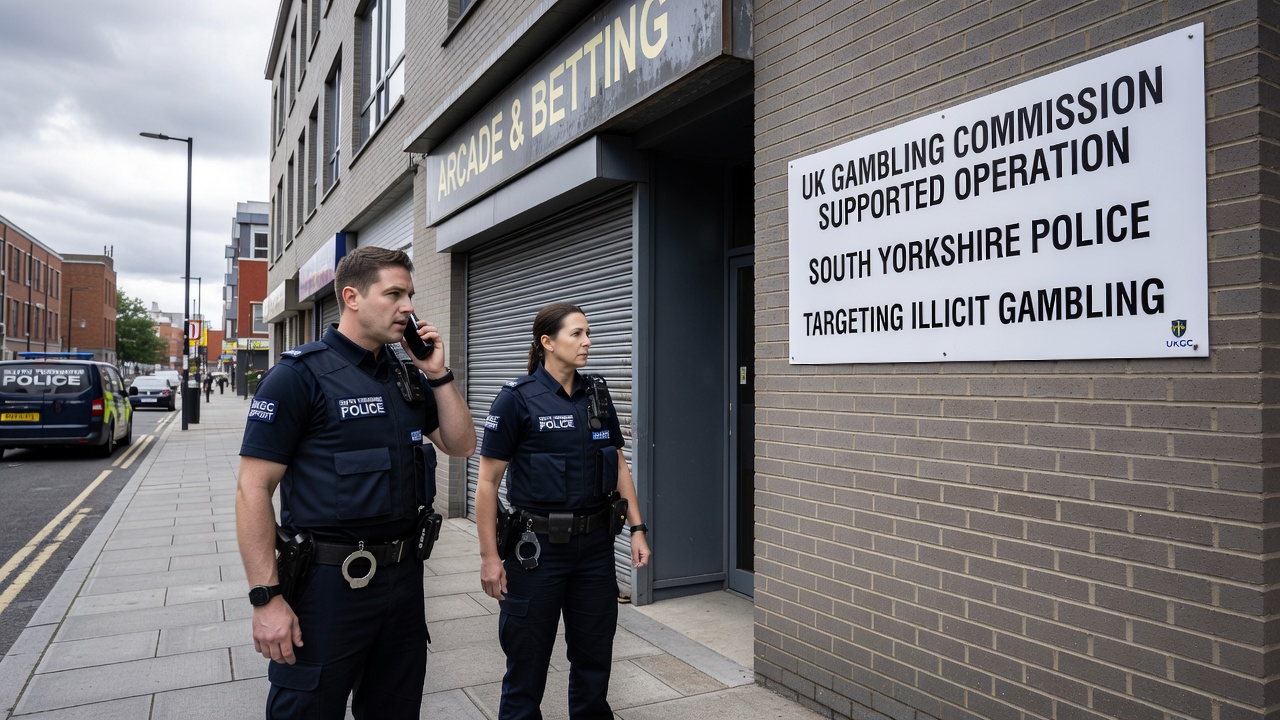
Tactics to Dodge UK Regulations
Evading UK Gambling Commission rules forms the core of their strategy; these sites skip mandatory addict protections like deposit limits, reality checks, or session timeouts, while money laundering safeguards—such as source-of-funds checks—get ignored, allowing unchecked high-roller action that licensed sites must police rigorously.
Turns out, they even fabricate legitimacy with AI-generated executives: deepfake profiles of "CEOs" and "compliance officers" appear on about pages, complete with bogus endorsements from fake regulators; one such persona, "Dr. Elena Voss," touts "world-class fairness" via scripted videos, fooling casual visitors into thinking oversight exists.
So, while UK laws demand robust anti-addiction measures and AML protocols, these platforms thrive in the gaps; payment methods like Trustly or MuchBetter—popular in Europe—route funds without triggering UK bank flags, and VPN-friendly designs let players mask locations effortlessly.
Real-World Harms and a Tragic Case
The fallout proves severe: reports link these sites to escalating harms among UK gamblers, including financial ruin and mental health crises; a particularly stark example emerged in January 2026, when a gambler, after racking up debts on Goldenbet despite GamStop enrollment, took his own life—family statements detailed how the site's easy access reignited a compulsion he'd fought to escape.
Studies referenced in the investigation show unlicensed operators correlate with higher suicide risks, as protections vanish; UK helplines like GamCare log spikes in calls from players on Curaçao sites, citing "non-stop play" features that encourage marathon sessions without intervention.
People who've analyzed traffic patterns notice peaks during evenings and weekends—prime UK betting hours—coinciding with reports of lost jobs, evictions, and relationship breakdowns tied to these platforms; the writing's on the wall, as harms compound without regulatory brakes.
MP's Push and Enforcement Challenges
UK MP Alex Ballinger, a vocal critic of gambling loopholes, has demanded immediate Gambling Commission action; in April 2026 statements, he highlighted the probe's findings, urging blocks on these domains and tougher cross-border cooperation, since past efforts—like IP bans—fail against mirror sites that pop up overnight.
Enforcement remains spotty: the Commission has blocked thousands of unlicensed sites, but this network's scale and tech savvy outpace responses; Ballinger notes limited success rates, with only a fraction of rogue operators fully shut down, leaving millions exposed monthly.
Yet calls grow louder; industry watchers predict tighter payment blocking under upcoming LCCP updates, while Curaçao faces pressure to revoke licenses—though Santeda soldiers on, adapting with fresh domains and AI tweaks.
Broader Implications in April 2026
As of April 2026, the landscape shifts subtly: visitor numbers hold steady despite publicity, suggesting entrenched appeal; experts who've tracked similar networks observe how publicity sometimes boosts traffic ironically, as curious players test the waters.
GamStop expansions loom, potentially including non-gambling apps, but offshore operators pivot fast; Upgaming's role draws scrutiny too, with Georgian links prompting EU inquiries that could ripple back to Curaçao.
One study on offshore gambling reveals 40% of UK problem gamblers migrate to such sites post-exclusion, amplifying the probe's urgency; it's not rocket science—plugging these leaks demands tech upgrades and global pacts.
Wrapping Up the Network's Shadow
The Guardian's expose lays bare a persistent threat: Santeda's Curaçao empire, powered by Upgaming and Georgian ties, reels in 2.3 million UK visitors monthly by flouting GamStop and UKGC safeguards, deploying AI deceptions, and fueling harms like the January 2026 suicide; MP Ballinger's advocacy spotlights enforcement gaps, but until blocks tighten and collaborations deepen, these casinos persist in the shadows, a stark reminder of digital gambling's wild frontiers.
Figures persist into 2026, underscoring the need for vigilance; those monitoring the beat know offshore networks evolve, yet probes like this one keep the pressure on, potentially tipping the scales toward safer play.