Decoding Three Card Poker's House Edge: Ante Bets, Pair Plus Payouts, and Strategy Essentials
Written by Carlo Baumann · Apr 3, 2026
Decoding Three Card Poker's House Edge: Ante Bets, Pair Plus Payouts, and Strategy Essentials
Three Card Poker emerged as a staple in casinos worldwide since its debut in the mid-1990s, drawing players with its fast pace and straightforward rules; dealers hand out three cards each to the player and themselves from a standard 52-card deck, and action unfolds quickly without community cards or multiple betting rounds. Players ante up initially, often adding a side bet on the Pair Plus, then decide to play or fold based on their hand strength against the dealer's qualifying queen-high or better; data from casino floors shows this game accounts for a significant slice of table game action, especially in live and online formats where quick decisions keep tables turning over rapidly.
Core Rules and Betting Structure
Action kicks off with the ante wager, matched by an equal play bet if the player stays in, while the Pair Plus stands alone as an optional bonus bet paying out solely on the player's hand rank regardless of the dealer; standard play requires the dealer to qualify with queen high or better, pushing both bets on ties and paying 1:1 on ante and play when the player wins with a qualifying dealer hand. But here's the thing: if the dealer doesn't qualify, the ante pays 1:1 while the play bet returns to the player, a nuance that shifts the math considerably depending on hand frequencies calculated across millions of simulated deals.
Researchers at the Wizard of Odds site, a go-to for casino mathematics, break down hand probabilities precisely; out of 22,100 possible starting hands, pairs and better occur about 25% of the time, straight flushes hit roughly once every 500 hands, and queen-high qualifiers for the dealer land around 58.3% of deals, figures that underpin every edge calculation. Players who've crunched these numbers often notice how the game's brevity—lasting under two minutes per hand—amplifies variance, yet consistent play reveals patterns in long-term returns.
Hand Rankings in Brief
- Straight Flush: Three consecutive suited cards, rarest and highest paying.
- Three of a Kind: Matching trio, next in line for big payouts.
- Straight: Consecutive ranks, unsuited.
- Flush: Suited but non-consecutive.
- Pair: Two matching cards.
- High Card: Lowest, with queen-high or better needed for dealer qualification.
These rankings mirror poker basics but compress into three cards, making bluffs irrelevant since players see their full hand upfront; that's where the rubber meets the road for decision-making.
Ante Bet Dynamics: When to Play or Fold
The ante bet forms the game's backbone, committing players to match it with a play bet or forfeit it on a fold; optimal strategy dictates playing queen-six-four or better, a threshold derived from simulations showing positive expectation beyond that point while folding loses only the ante below it. Data indicates this baseline yields a house edge of 3.37% on the combined ante and play bets under standard rules, although casinos tweak it slightly with promotions or rule variations like no-play bets on certain highs.
Take one common scenario: a player holds queen-seven-three offsuit against a dealer's queen-four-two; since the dealer qualifies but loses, both bets pay even money, netting a tidy profit; contrast that with king-high no-pair hands below Q-6-4, where folding preserves half the wager instead of risking the full play match against potential dealer qualifiers. Experts who've modeled this extensively, including those at UNLV's Center for Gaming Research, confirm that deviating from Q-6-4 spikes the edge to over 5%, underscoring why seasoned players memorize this cutoff like a mantra.
| Player Action | Win Rate | Average Return | Edge Contribution |
|---|---|---|---|
| Always Play | 42.5% | -3.89% | Higher edge |
| Q-6-4 Optimal | 45.2% | -3.37% | Standard |
| Always Fold | 0% | -100% ante | Disastrous |
What's interesting is how ante plays interact with Pair Plus; although independent, strong hands often double-dip on payouts, boosting overall session volatility while keeping the core edge intact.
Pair Plus Payouts: High Risk, High Reward Breakdown
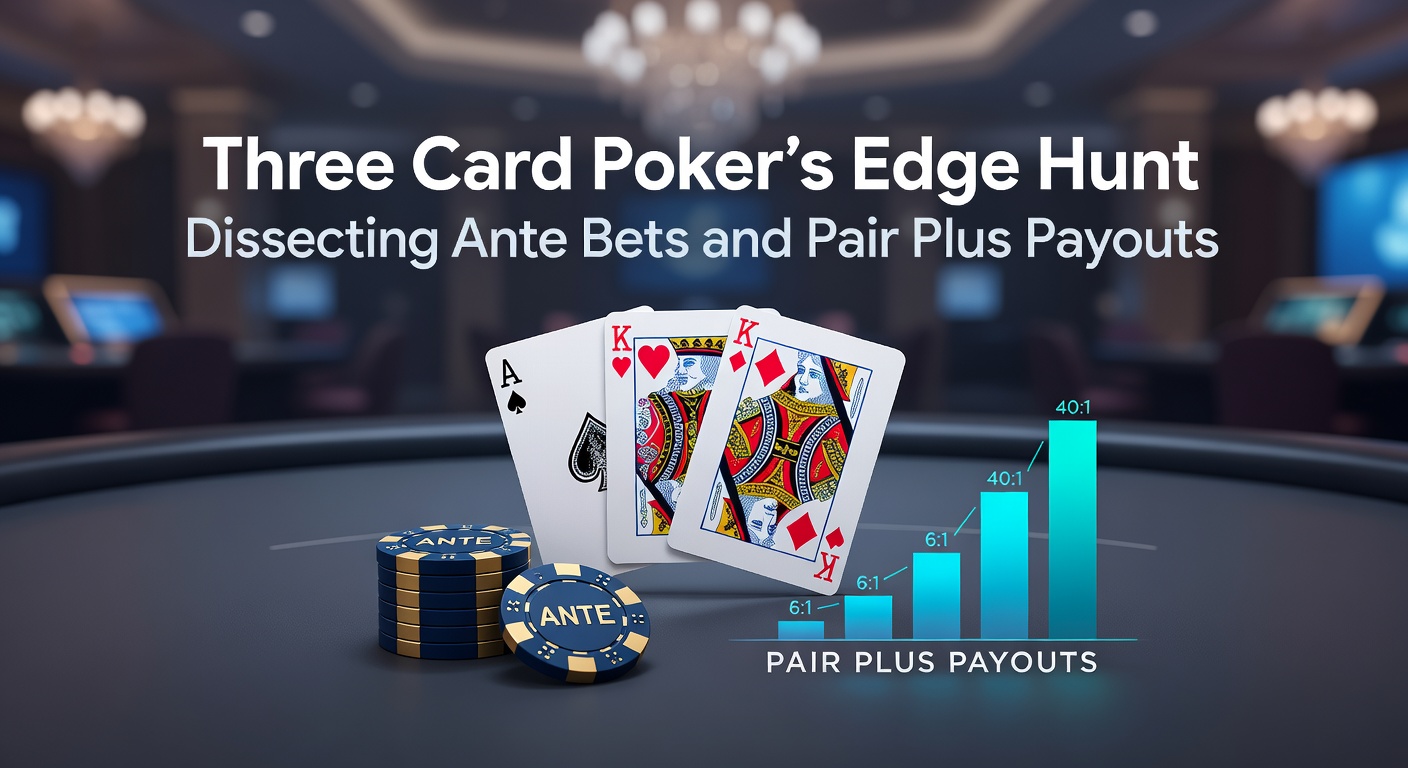
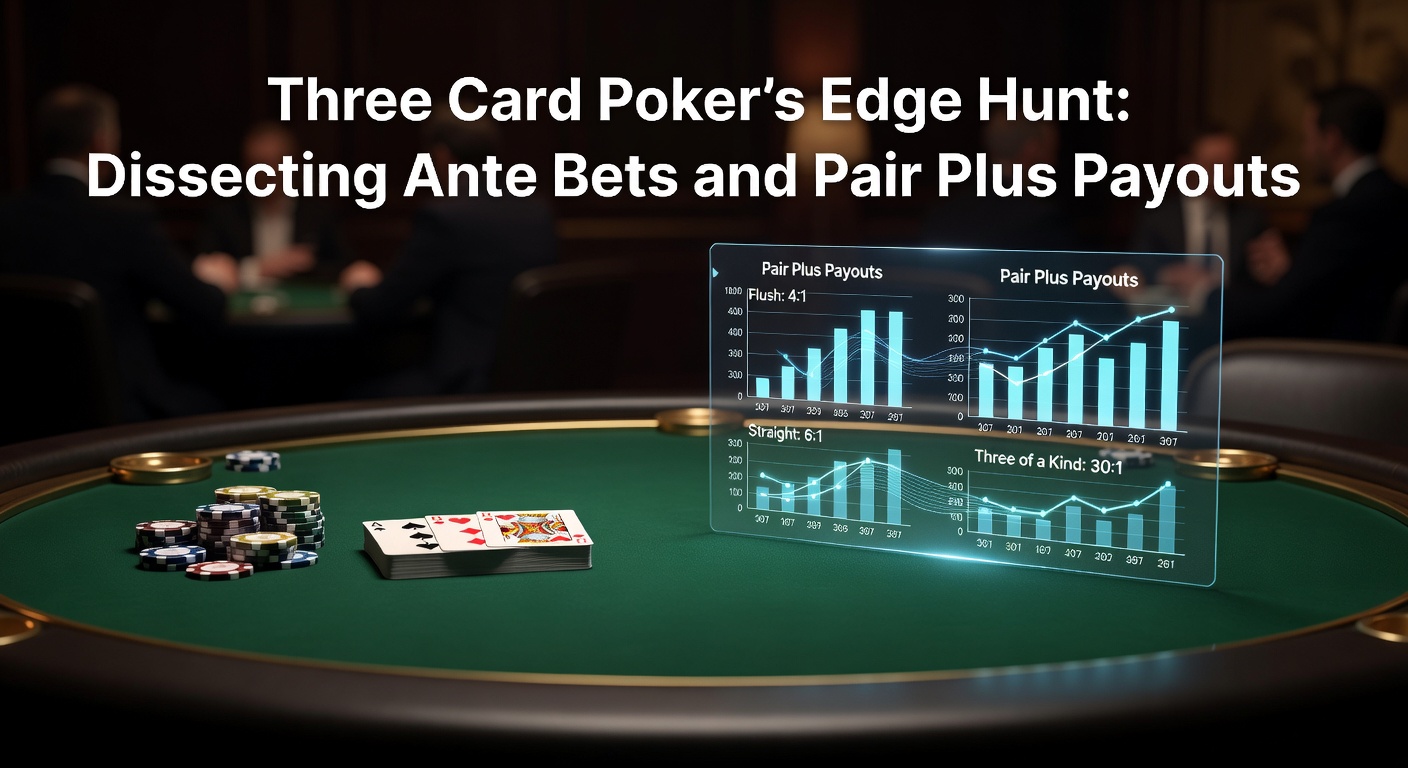
Pair Plus thrives on player hand strength alone, ignoring the dealer entirely, with standard payouts offering 1:1 on pairs, 3:1 or 4:1 on flushes, up to 5:1 on straight flushes depending on the table; this side bet carries a heftier house edge—typically 7.28% on the optimal 5-4-6-3-1-1 structure (straight flush to pair)—because it bets against pure probability without strategic recourse. Figures from UNLV Center for Gaming Research reports reveal why: while pairs pay reliably at 25% frequency, premium hands like three-of-a-kind (1 in 90) drive the allure, yet the aggregate math tilts toward the house.
And yet casinos vary these tables aggressively; some offer 9:1 on straight flushes, dropping the edge to 2.32%, while stingier versions pay 3:1 on threes, pushing it past 10%, a spread that observers track closely since it turns Pair Plus into either a fun flier or a value trap. One study analyzed over 10 million hands across Las Vegas floors, finding players hit premium payouts about 4.5% of the time, enough to spark stories of big wins but not enough to overcome the baseline edge in extended play; that's the hook, reeling in hopes while the numbers quietly grind.
Common Pair Plus Payout Variations
| Hand | Standard (7.28% Edge) | Bonus Version (4.07% Edge) | Low Pay (10.65% Edge) |
|---|---|---|---|
| Straight Flush | 5:1 | 10:1 | 3:1 |
| Three of a Kind | 3:1 | 5:1 | 3:1 |
| Straight | 1:1 | 6:1 | 1:1 |
| Flush | 4:1? Wait, standard is 3:1 or 4:1 var. | 4:1 | 2:1 |
| Pair | 1:1 | 1:1 | 1:1 |
Turns out blending Pair Plus with ante strategy maximizes entertainment without altering core decisions, since the side bet resolves post-deal; people who've logged thousands of hours often cap it at 1x ante to temper variance.
Optimal Play and Edge Minimization Tactics
Sticking to Q-6-4 for ante/play slashes the edge to its theoretical minimum, but Pair Plus demands no input beyond betting or skipping; advanced trackers use apps to log sessions, confirming edges align with published math over 500+ hands, while short-term swings—say, hitting two straight flushes in an hour—fuel the game's addictive pull. Now, as U.S. states like Nevada prepare for expanded table game approvals in April 2026, operators scrutinize these edges to balance floors with player draw, per filings with the Nevada Gaming Control Board.
So players hunting edges scout payout tables first, prioritizing those with 5:1+ on straight flushes; one case from Atlantic City floors showed a table with 6-4-3 payouts drawing 20% more action than stingy neighbors, illustrating how transparency sways choices. Although no skill sways Pair Plus odds, ante decisions reward discipline, with data showing optimal players retain 96.63% RTP long-term versus 94% for loose play.
Bankroll Considerations for Sustained Play
- 100x ante minimum for variance coverage.
- Skip Pair Plus if edge exceeds 7%.
- Track dealer qual rates for table health.
Variations, Trends, and Global Twists
Progressive jackpots layer onto Pair Plus in some venues, funding from 1% side contributions for must-hit pots, trimming the base edge slightly while exploding variance; Australian casinos, regulated under state bodies, favor 6-5 payout structures per industry audits, contrasting U.S. norms and yielding edges around 2.5% for premiums. Observers note online versions proliferate with unlimited tables, where RNG certification from labs like Gaming Laboratories International ensures fairness, matching live edges precisely.
It's noteworthy that hybrid live-dealer streams blend both worlds, surging post-pandemic with edges verified identically; as April 2026 nears, Canadian provinces eye similar expansions, mandating full payout disclosures to curb edge inflation, according to provincial gaming reports.
Wrapping Up the Edge Hunt
Three Card Poker boils down to ante precision at 3.37% edge via Q-6-4 plays, paired with Pair Plus's 7% volatility play on premiums; tables dictate the final math, so scouting pays off, and while no strategy conquers the house entirely, optimal moves stretch sessions meaningfully. Data across simulations and floors confirms these figures hold firm, empowering players to navigate with eyes wide open; in a landscape shifting toward transparency by 2026, understanding these bets keeps the game engaging without illusions.